July 2026 Threat Trend Report on APT Attacks (South Korea)
Overview AhnLab monitored APT (Advanced Persistent Threat) attacks targeting entities in Korea using its own infrastructure. This report summarizes the classification, statistics, and functional characteristics for each type of domestic APT attacks identified during the month of July 2026. Trends of APT Attacks in South Korea Most APT attacks detected
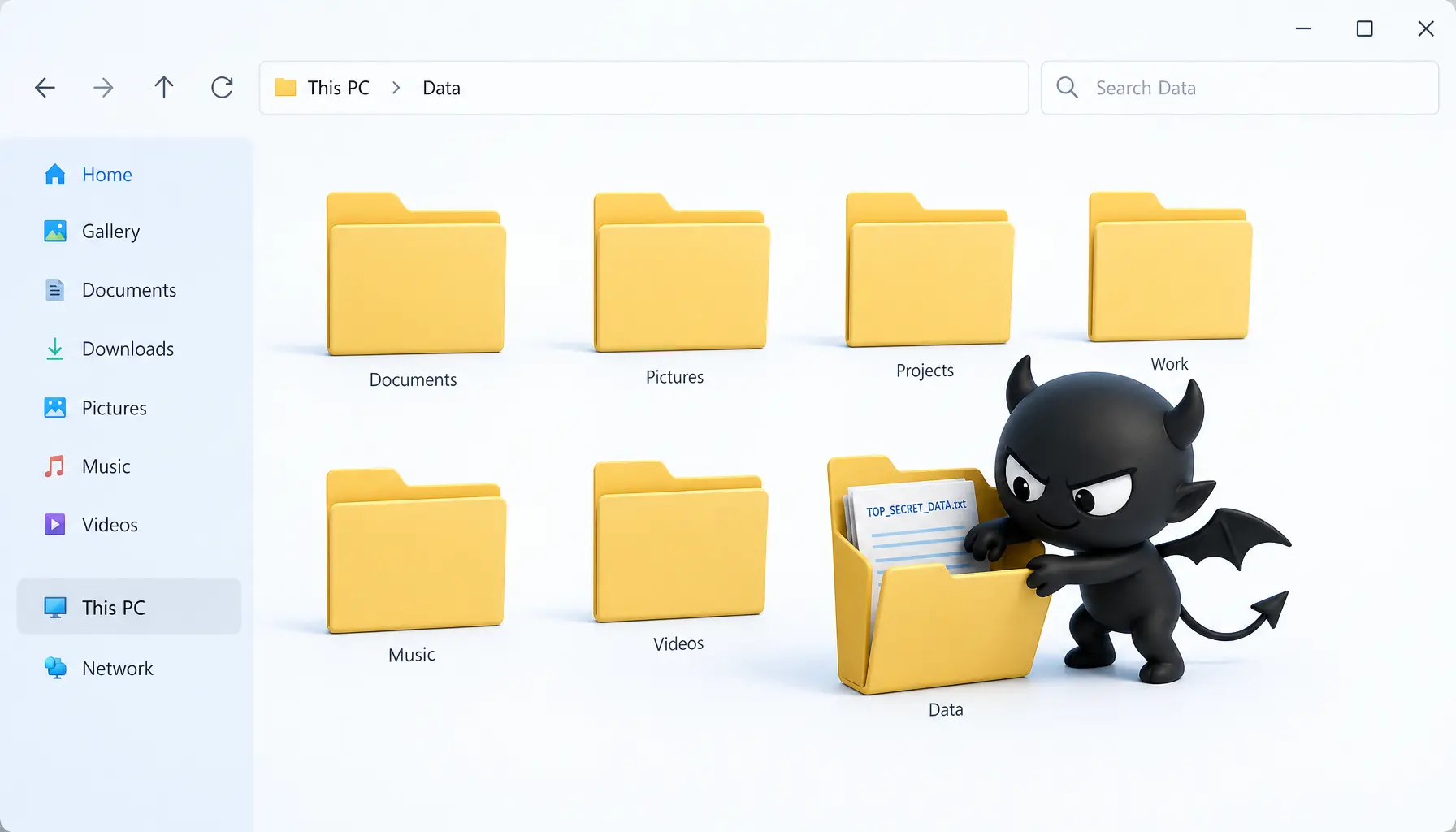
Beware of phishing emails disguised as requests to review quotes (PhantomStealer)
The AhnLab SEcurity intelligence Center (ASEC) recently identified a phishing email campaign that disguised itself as a request to review a quote. The threat actor impersonated a sales team member at a specific overseas company and, by claiming that a previous quote needed to be revised and product versions verified,

Beware of Phishing Emails Disguised as Transaction Receipts
Recently, the AhnLab SEcurity intelligence Center (ASEC) identified instances of phishing emails that were disguised as transaction receipts. The emails impersonated employees of a specific US company. The body of the message stated that a transaction receipt was attached and asked the recipient to review it and confirm whether funds
June 2026 Threat Trend Report on APT Attacks (South Korea)
Content AhnLab monitored domestic APT (Advanced Persistent Threat) attacks—attacks that are conducted covertly and persistently—using its own infrastructure. This report summarizes the classification and statistics on domestic APT attacks identified in June 2026 and describes the capabilities of each type of APT attack. Purpose and Scope Most of the APT

June 2026 Security Issues in Korean & Global Financial Sector
Statistics on Malware Distributed to the Financial Sector In the June threat analysis for the financial sector, phishing was the most prevalent attack method in Attack Stage 1, while droppers/downloaders (distribution tools that download additional malware) were the most prevalent in Attack Stage 2. Infostealers were identified in the third

Beware of Phishing Emails Disguised as Money Transfer Confirmations
Recently, the AhnLab SEcurity intelligence Center (ASEC) identified a case of phishing emails that disguise themselves as payment confirmation notices. These emails impersonate employees of a specific company in Korea and trick recipients into opening a malicious XLS file attached to the email, which is disguised as a payment confirmation

Beware of Phishing Emails Disguised as Project Proposals
The AhnLab SEcurity intelligence Center (ASEC) recently confirmed that phishing emails disguised as project proposals are being circulated. The body of the email pretends to request that the proposal and confirmed delivery schedule be submitted as soon as possible, and prompts the recipient to download the attached compressed file.
May 2026 Threat Trend Report on APT Attacks (South Korea)
Overview AhnLab monitored APT (Advanced Persistent Threat) attacks—covert, sustained targeted attacks—using its own infrastructure. This report summarizes the types and statistics on domestic APT attacks identified during the month of May 2026 and discusses the characteristics of each type as well as AhnLab Response Overview. Trends of APT Attacks in

May 2026 Security Issues in Korean & Global Financial Sector
Statistics on Malware Distributed to the Financial Sector In Attack Stage 1 targeting the financial sector in May 2026, phishing had the highest score at 2.3. This is the highest figure since December 2025, indicating that Initial Breach attempts are increasingly centered on phishing. In Attack Stage 2, Dropper/Downloader had
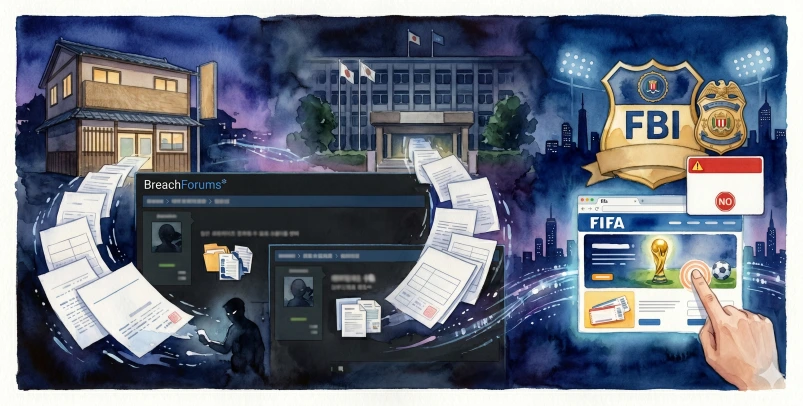
Ransom & Dark Web Issues Week 4, May 2026
ASEC Blog publishes Ransom & Dark Web Issues Week 4, May 2026 Customer Data of Japanese Educational Franchise Sold on BreachForums by Hasan Data from Japanese Government Agency for National Civil Servant Personnel Administration Sold on BreachForums by Hasan FBI Issues Warning Regarding Fraudulent FIFA