
Ransom & Dark Web Issues Week 3, January 2026
ASEC Blog publishes Ransom & Dark Web Issues Week 3, January 2026 Qilin Ransomware Targets Korean Specialist in Semiconductor/Display Components & Surface Treatment U.S. DOJ: Access Broker “r1z” Pleads Guilty Qilin Ransomware Targets Vietnam’s National Airlines

Proxyware Disguised as Notepad++ Tool
AhnLab SEcurity intelligence Center(ASEC) is monitoring Proxyjacking attacks and continuously disclosing distribution cases and IoCs identified in South Korea. The threat actor Larva‑25012, known for deploying Proxyware, has recently begun using malware disguised as a Notepad++ installer. In addition, the attacker is actively changing techniques to evade detection—such as injecting

Remcos RAT Being Distributed to Korean Users
AhnLab SEcurity intelligence Center (ASEC) has confirmed the RAT distribution of the Remcos RAT targeting users in South Korea. While the original distribution pages remain unknown, the malware appears to masquerade as VeraCrypt installers or software associated with illegal gambling websites. 1. Malware Distribution One of the initial malware

Ransom & Dark Web Issues Week 2, January 2026
ASEC Blog publishes Ransom & Dark Web Issues Week 2, January 2026 Qilin ransomware attack against a Korean automotive smart factory automation equipment manufacturer Customer data of a Korean cloud and hosting service provider shared on DarkForums Everest ransomware attack against a major Japanese automobile

Security Risks Rise as Google Play Tightens Restrictions on Unlicensed Cryptocurrency Exchange Apps
Google has announced that, starting January 28, 2026, it will completely block the distribution of overseas cryptocurrency exchange apps on Google Play if they are not licensed by Korean financial authorities. ※Google Play (2026). Preview: Blockchain-based Content Source: https://support.google.com/googleplay/android-developer/answer/16302285?sjid=8888255779410190101-NC Figure 1. Google Play Console Policy Center According to Google’s

MongoBleed (CVE-2025-14847): A Critical MongoDB Memory Leak Vulnerability Hidden for 8 Years
Overview In late 2025, a high-severity memory information disclosure vulnerability that had been lurking in MongoDB for years was finally revealed. Dubbed MongoBleed, this flaw allows unauthenticated attackers to read uninitialized heap memory, potentially exposing sensitive information. The U.S. Cybersecurity and Infrastructure Security Agency (CISA) has added this vulnerability to

Guloader Malware Being Disguised as Employee Performance Reports
AhnLab SEcurity intelligence Center (ASEC) recently discovered the Guloader malware being distributed via phishing emails disguised as an employee performance report. The email claims to be informing the recipient about the report for October 2025, and prompts the recipient to check the attachment by mentioning the plan to dismiss some

Ransom & Dark Web Issues Week 1, January 2026
ASEC Blog publishes Ransom & Dark Web Issues Week 1, January 2026 South Korean University Website Data Shared on DarkForums Saudi Arabian Employment Platform Data Sold on BreachForums and DarkForums Recent Security Activity Involving the Ransomware Group Vect

RMM Tools (Syncro, SuperOps, NinjaOne, etc.) Being Distributed Disguised as Video Files
AhnLab SEcurity intelligence Center (ASEC) recently discovered cases of attacks using RMM tools such as Syncro, SuperOps, NinjaOne, and ScreenConnect. Threat actors distributed a PDF file that prompted users to download and run the RMM tool from a disguised distribution page such as Google Drive. The certificate used to sign
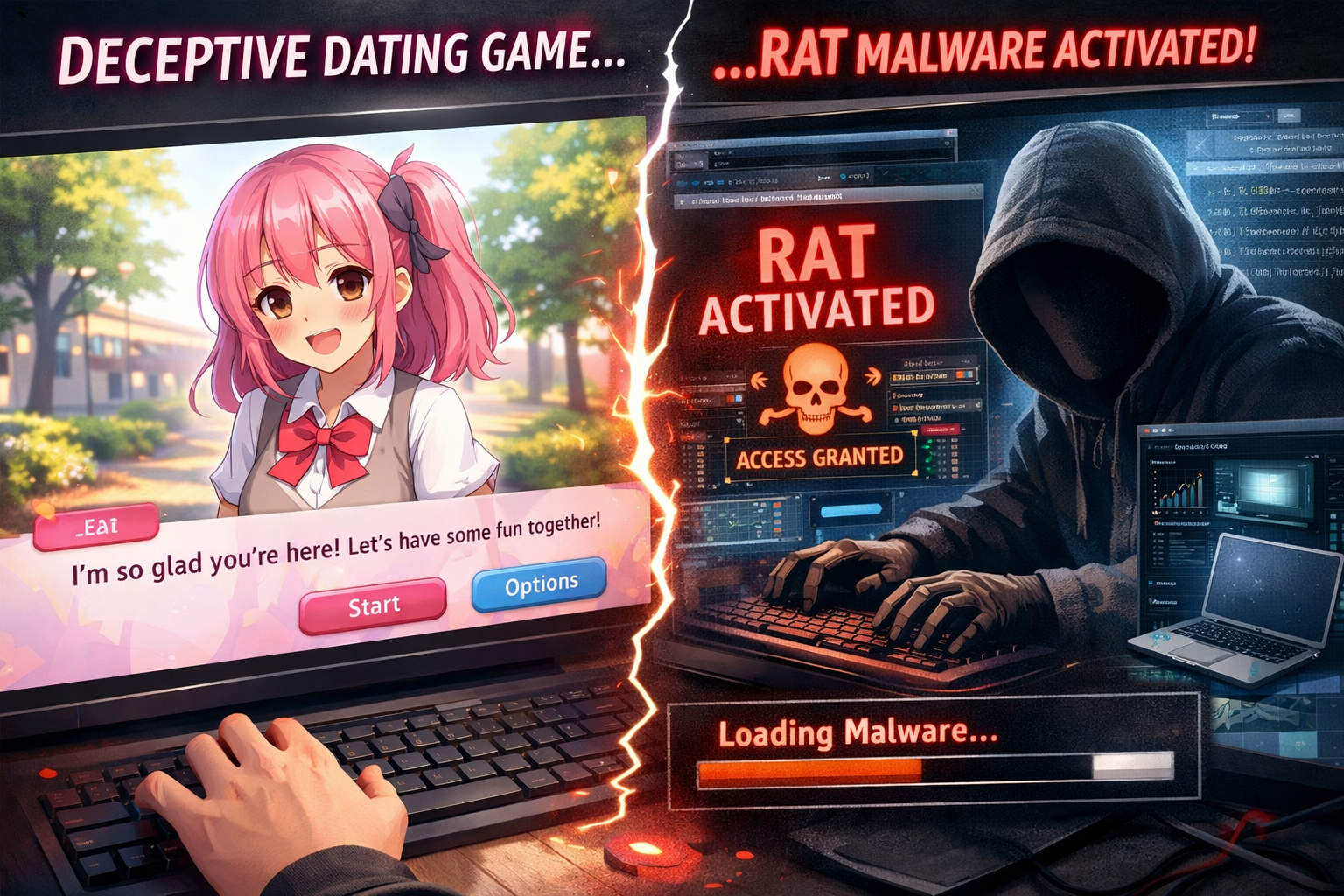
xRAT (QuasarRAT) Malware Being Distributed Through Webhard (Adult Games)
AhnLab SEcurity intelligence Center (ASEC) recently discovered that the xRAT (QuasarRAT) malware is being distributed through a webhard disguised as an adult game. In Korea, webhard services are one of the most commonly used platforms for distributing malware. Typically, threat actors use malware that are easily accessible, such as